Menu
- How it Works
- Partners
- Support
- Blog
- About
- Contact Us
Change Language:
Transaction ID
Swap Tracker
Tips
October 13, 2026
What Are Gas Fees and Why Do They Vary So Much?
Contents
You send crypto. The network takes a cut. That cut is the gas fee. It pays the machines that check and record the move. Without these fees the chain would fill with junk transactions and stop working. Knowing how they form helps you spend less when the network gets crowded.
What Are Gas Fees in Crypto?
Gas fees in crypto are the charges paid for the work of processing a transaction on a blockchain. Validators or miners run the code, update balances and reach agreement. Someone has to cover the electricity and hardware cost. gas is the name Ethereum gave that payment years ago. Other chains use different words, but the job is the same.
Every operation has a price. A simple transfer costs less. A complex contract call costs more. Gas fees in blockchain transactions change with demand and with the design of each network. Some chains stay cheap most of the time. Others jump when many people try to use them at once.
You pay the fee in the native coin of the chain. ETH on Ethereum. BNB on BNB Chain. SOL on Solana. The final amount depends on how heavy the transaction is and how busy the network feels right then.
How Ethereum Gas Fees Work
Ethereum gas fees explained under the current rules start with EIP-1559. Before that upgrade users simply outbid each other. The highest offer got in first. Prices swung wildly.
Now the fee splits in two. The base fee is set by the protocol. It rises when blocks are more than half full and falls when they are emptier. That part gets burned. The second part is the priority fee, a tip you add so validators pick your transaction sooner. The tip goes to the validator.
Total cost equals (base fee + priority fee) times the gas units the transaction needs. Simple sends use fewer units. Heavy smart-contract work uses many more. People quote the price in GWEI. One GWEI is a billionth of an ETH.
The system is clearer than the old auction, yet fees still move fast. When activity spikes the base fee climbs. Users who need speed raise their tip and the total jumps.
Why Gas Fees Vary So Much
Congestion is the main driver. Limited space in each block means users compete. Prices climb until some people wait or leave.
Complexity adds another layer. Moving plain ETH is cheap. Calling several contracts in one go burns more gas units and costs more.
Sudden events push numbers higher still. A hot NFT drop, a new token launch or a sharp market move can fill the mempool in minutes. Fees that looked reasonable in the morning can turn expensive by afternoon.
Chain design also plays a role. Faster block times or larger blocks change the supply of space. Different consensus rules change the cost of securing that space. These choices create the big gaps you see between networks.
Gas Fees Across Different Blockchains
Fees look very different once you leave Ethereum.
| Blockchain | Typical Fee Range (USD) | Native Token | Main Feature |
|---|---|---|---|
| Ethereum | $1 — $50+ | ETH | EIP-1559 base + priority |
| BNB Chain | $0.10 — $1 | BNB | High throughput, lighter demand |
| Solana | $0.001 — $0.01 | SOL | High speed, low unit cost |
| Polygon | $0.01 — $0.50 | POL | Ethereum scaling layer |
| Avalanche | $0.10 — $2 | AVAX | Subnet design |
| Bitcoin | $1 — $20+ | BTC | Limited block space, UTXO model |
Solana and a few other high-capacity chains keep fees tiny most days. Ethereum stays pricier when demand peaks. Layer-2 networks try to give lower costs while still leaning on Ethereum security.
People hunting for the cheapest gas fees crypto usually check Solana, certain Layer-2s or quieter chains. Each choice brings its own security and liquidity trade-offs.
How to Pay Less in Gas Fees
Timing is the easiest lever. Fees often fall late at night in major time zones or on weekends. A quick look at a gas tracker over a few days shows the quiet windows.
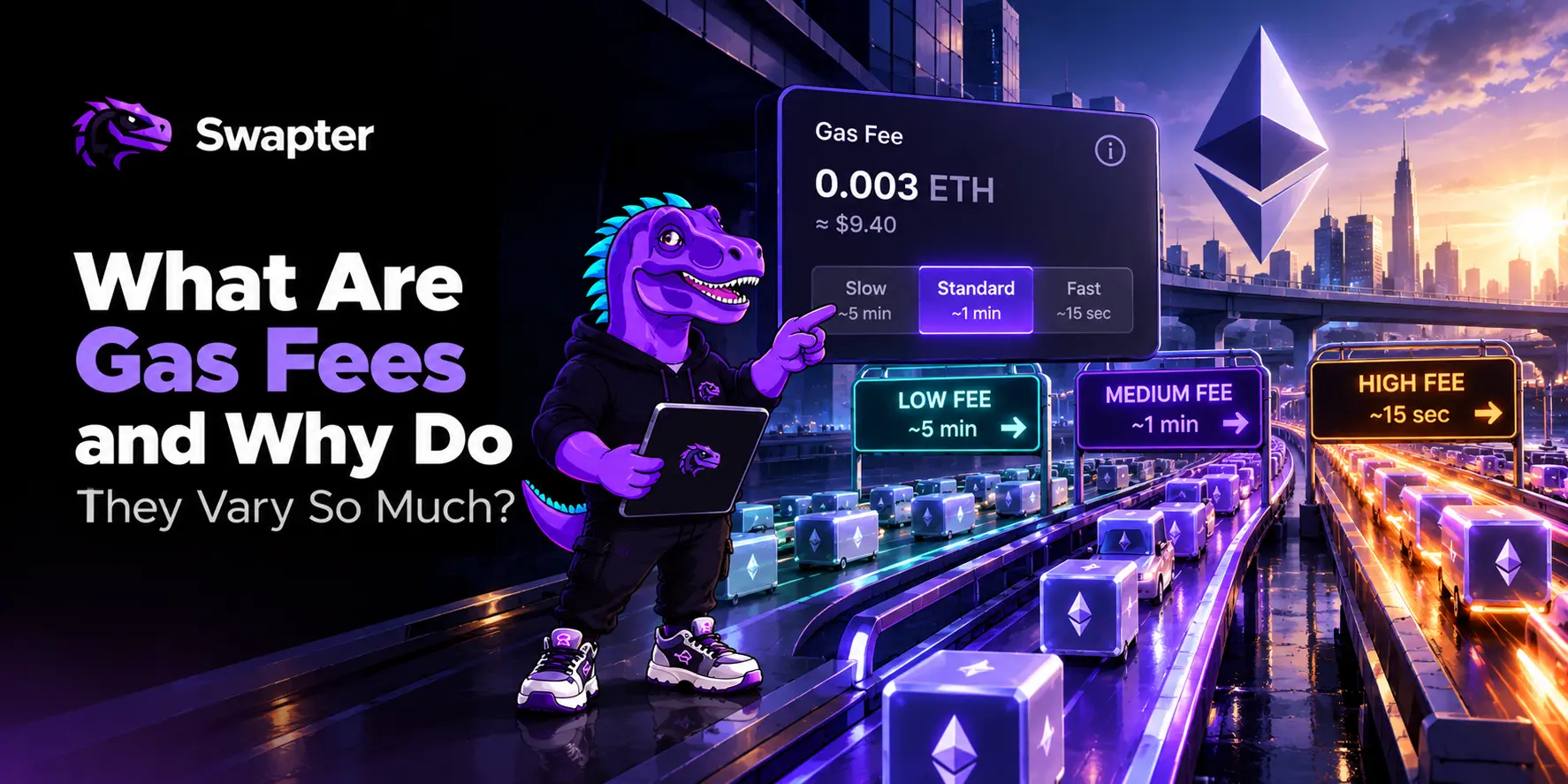
Lowering the priority fee works when you can wait. Most wallets offer slow, average and fast presets. Slow saves money if confirmation speed is not urgent.
Moving regular activity to a cheaper chain and bridging only when needed cuts costs for frequent users. Batching several actions into one transaction also helps.
Wallets now show an estimate before you confirm. Read it. Adjust the gas limit or tip if the number looks high. For heavier operations, knowing roughly how many gas units a contract uses prevents unexpected costs.
Gas is only one cost during a swap. Slippage and bridge fees add more. Smart contracts sit at the center of many high-gas actions — the more computation a contract needs, the higher the fee. See “What Is a Smart Contract?” for more on how that computation actually works.
Do You Pay Tax on Gas Fees?
Crypto gas fees and taxes follow local rules. In some places the fee can be added to the cost basis of the asset. In others it is treated as a separate expense. Guidance differs by country. The IRS in the United States has published its view. Other tax offices publish theirs. Keeping clear records of every fee paid makes reporting easier. A tax adviser who knows digital assets is still the safest route because the rules keep changing.
FAQ
Why are Ethereum gas fees sometimes so high?
What is GWEI?
Do all blockchains have gas fees?
Can gas fees be refunded if a transaction fails?
How do I estimate gas fees before sending a transaction?
Gas fees are the price of using a public blockchain. They keep the network running and pay the people who secure it. Once you understand how blockchain gas fees explained in this article actually form, you can choose quieter times, lighter chains or lower tips and keep more value in your own wallet.

Sign up for our newsletter
Join our newsletter and stay tuned with the latest insights.